Inside Extreme Longevity: The First Multi-Omics Portrait of a Supercentenarian
A groundbreaking study published in Cell Reports Medicine offers the most comprehensive molecular characterization to date of an individual with extreme human longevity. The study, authored by Eloy Santos-Pujol and led by Manel Esteller, from Josep Carreras Leukaemia Research Institute (IJC) and Universitat de Barcelona, provdes fresh insights into the biological and lifestyle factors linked to healthy aging. What the study found:
Researchers performed a multi-omics analysis, including genome, transcriptome, metabolome, proteome, epigenome, and microbiome, on the person with the most extreme documented human lifespan.
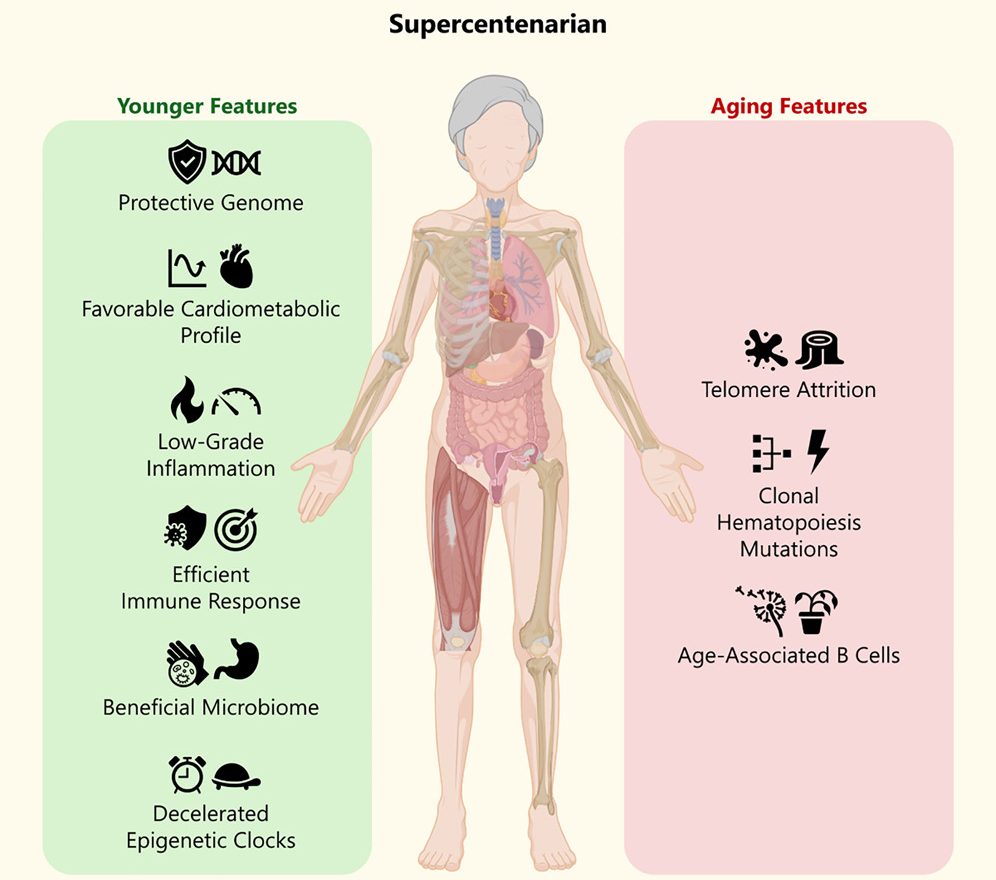
Despite displaying traditional molecular signs of aging, such as telomere shortening, this individual avoided common age-related diseases, highlighting a “longevity paradox”.
Protective features included rare genetic variants, efficient lipid metabolism, low inflammation, a rejuvenated gut microbiome, and a biologically younger epigenetic profile, all linked to an extended lifespan.
Why this research matters:
This study represents a major step forward in longevity science by demonstrating that healthy aging results from the integration of molecular, biological, and lifestyle factors, rather than isolated biomarkers.
We are pleased to remind you that the World Mitochondria Society (WMS), in collaboration with the International Society of Microbiota (ISM), is organizing the Targeting Longevity World Congress 2026, taking place on April 8–9 in Berlin, Germany. You can register here.